Dietary planning
Catering for religious dietary requirements
Updated · Based on the published Gyro City menu
Record religious dietary requirements separately and state what each guest actually needs. Halal, kosher, vegetarian and vegan requirements are not interchangeable. Ask about the exact ingredients, source and handling of the chosen dishes; do not infer a certification or preparation standard from cuisine, a menu category or a meat-free option.
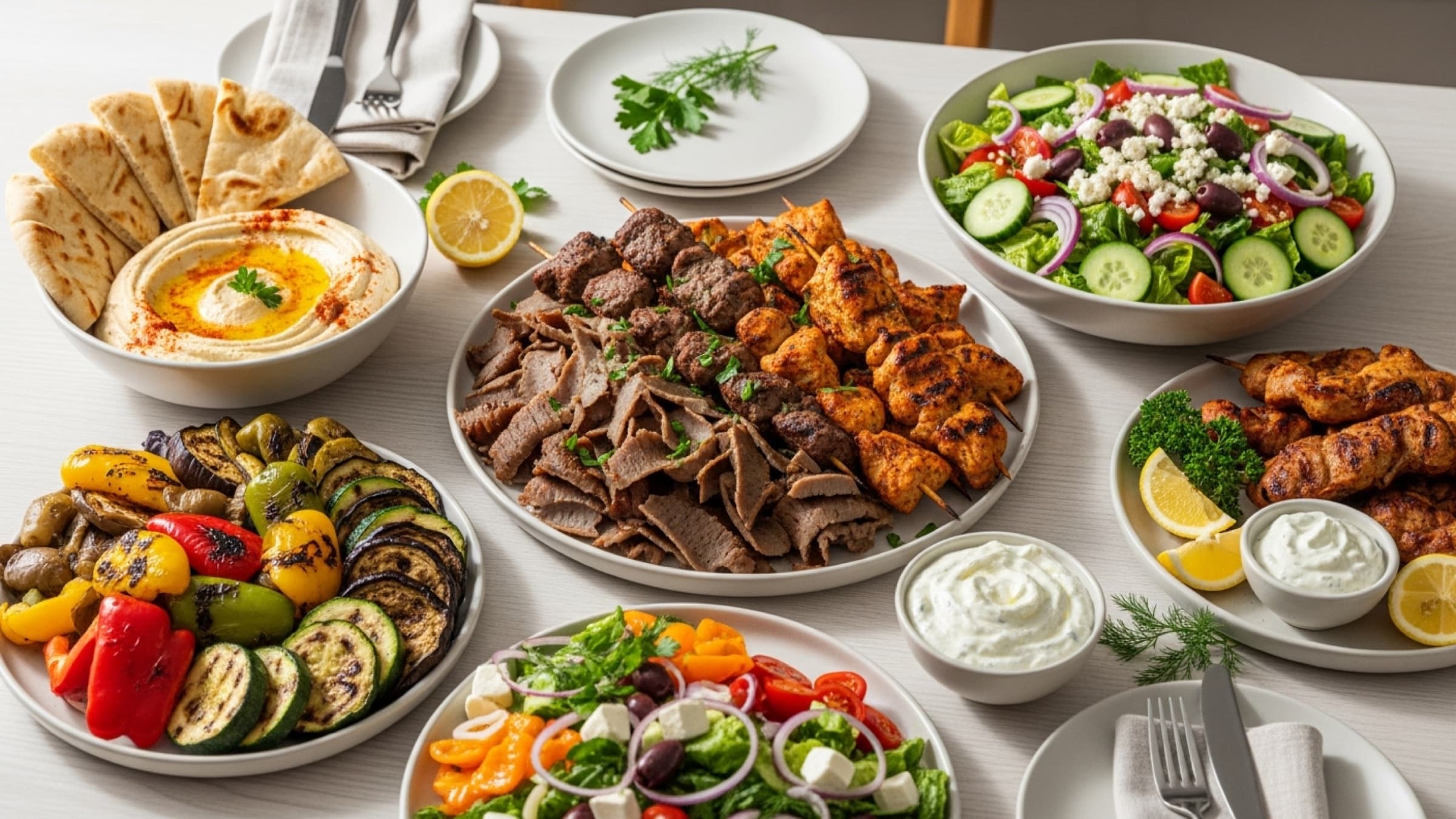
Keep different requirements distinct
Ask guests to describe their requirements in their own terms. Do not use halal, kosher, vegetarian and vegan as substitutes for one another. The fact that a dish has no meat does not establish a religious certification, and no kosher service is claimed here.
Use one confirmation record per meal type
Record the required standard, proposed dishes, ingredients or sourcing questions, handling expectations and whether the team has confirmed the selection. Keep unresolved requests visible. If a guest needs documentation, ask about it before the menu is approved.
Carry the plan through to serving
Discuss identification, separate utensils where requested, and the person responsible for handing out the confirmed meals. Keep the organizer's approved list available at delivery or pickup. Do not turn a general cuisine description into an assurance that has not been agreed for the order.
Check these details for your order
- Exact guest requirement and selected dishes
- Ingredients, sourcing, handling, and cross-contact questions
- Labels, separate utensils, and written confirmation
Menu and planning references
Use the current menu for exact inclusions, minimums and serving ranges. Your final written quote confirms availability, substitutions, delivery and any additional services for the event.